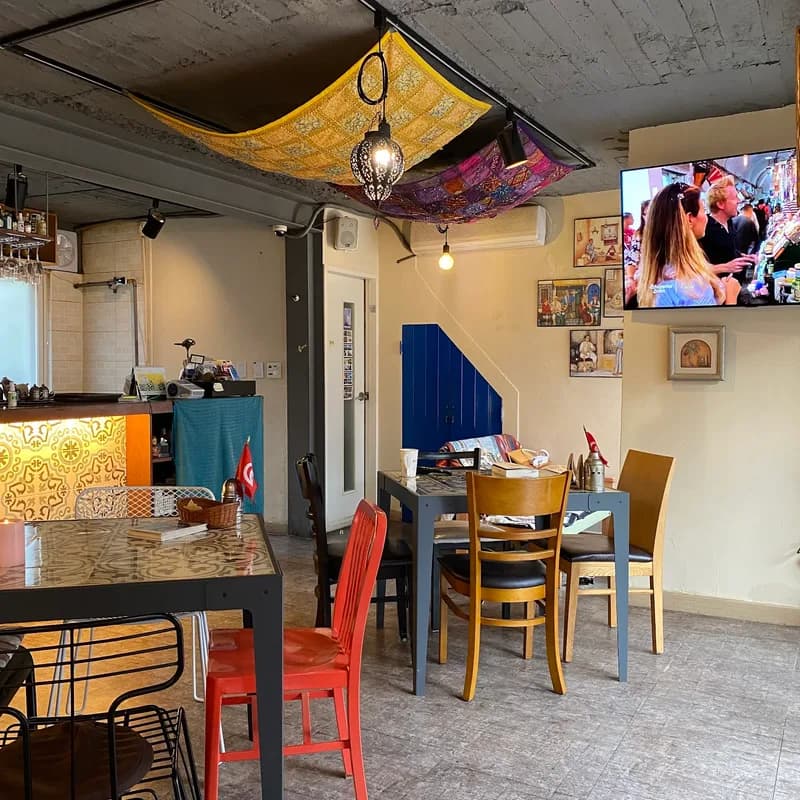
CousCous
꾸스꾸스
About
A North African restaurant in Nishimura, centered on couscous and harissa.
# CousCous: North African Soul Food Takes Seoul North Africa's most contested culinary treasure has arrived in Seoul, and it deserves the attention usually reserved for Seoul's trendiest imports. Couscous—those tiny semolina granules that resemble millet but deliver something far more nuanced—represents centuries of Berber tradition, so significant that UNESCO recognized it as Intangible Cultural Heritage in 2020. What makes CousCous compelling for Korean palates is harissa, the fiery red chili paste that transforms every bite. Unlike Moroccan versions softened with cinnamon and raisins, Tunisian couscous drowns in harissa's aggressive heat and vinegar punch. Here, the steamed grains serve as a neutral canvas for a slow-cooked stew rich with lamb or chicken, chickpeas absorbing the spice, carrots and turnips yielding their sweetness to the broth. The sauce-to-grain ratio matters obsessively—proper Tunisian technique demands extra harissa on the side for those who want more punishment. The textural revelation sets couscous apart. When properly prepared, those grains remain discrete, light, and slightly bouncy—nothing like rice's starchy clump. One blogger called it "eating while feeling the warmth of Saharan sun," which isn't hyperbole. The semolina's natural nuttiness, combined with the stew's savory depth, creates something that feels simultaneously foreign and immediately familiar to Korean diners accustomed to bold, layered broths. Beyond the traditional meat versions, CousCous accommodates vegetable-forward bowls with roasted vegetables and herb-bright salads where crumbled couscous anchors greens, tomatoes, and fresh herbs with lemon vinaigrette. These lighter preparations prove the grain's versatility—substantial without heaviness, complete without meat. The appeal extends beyond flavor. Couscous cooks in minutes, requires minimal technique, and transforms leftovers into next-day salads as the grain absorbs dressing overnight. For Seoul diners seeking respite from rice-centric meals without abandoning comfort food, CousCous delivers authenticity without pretense.
Menu
- Couscous
- Couscous Salad
- Brik
- Lamb Couscous
- Tajine
Local tips
- Adjust the heat with harissa. Ask for it on the side.
- There are also vegetable-forward dishes and salads, so you can have a satisfying meal without meat.
- Closed Tuesdays; open 11:30–23:00 on other days.
Details
- Gyeongbokgung · Seochon
Opening hours
- Sunday
- 11:30–23:00
- Monday
- 11:30–23:00
- Tuesday
- Closed
- Wednesday
- 11:30–23:00
- Thursday
- 11:30–23:00
- Friday
- 11:30–23:00
- Saturday
- 11:30–23:00