StarSamarkand
스타사마르칸트
About
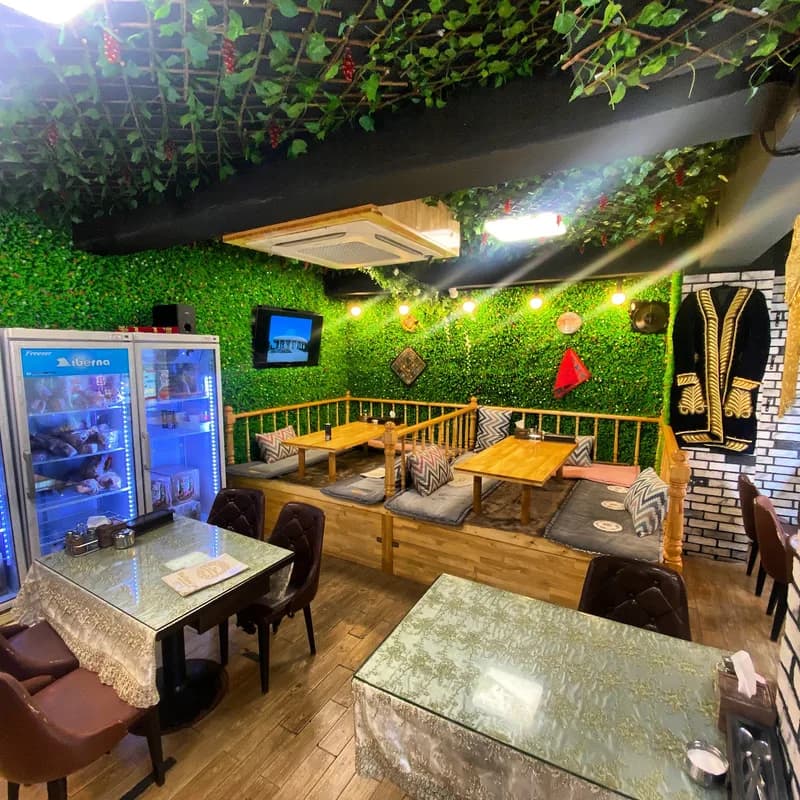
Korea's first Silk Road cuisine specialist in Dongdaemun's Central Asian quarter. Uzbek and Russian dishes—charcoal-grilled lamb shashlik, hand-pulled lagman, steamed manti—cooked by Central Asian staff in an ornate, eclectic dining room with working tandoor ovens visible from the street.
# Silk Road Kitchen in Dongdaemun: StarSamarkand's Central Asian Flavors Tucked into Dongdaemun's modest central Asian quarter, StarSamarkand claims Korea's first dedicated Silk Road cuisine experience. Visitors push through its entrance to find wood-fired ovens visible from the street, where samsa—thick pastry parcels filled with minced meat and onions—emerge with shattered, golden exteriors that crack audibly under your teeth. The shop carries authentic weight: foreign staff cook, a mix of expatriate regulars and curious locals fills the wide-seated tables, and antique furnishings create an atmosphere that feels genuinely elsewhere. The menu demands commitment. Lamb shashlik arrives as two substantial skewers, chunks of meat threaded onto thick metal spits and charred over coals, releasing wispy smoke and yielding tender, juicy flesh that needs no sauce—raw onion slices handle the richness. The plov, an Uzbek pilaf, coats its rice grains in meat fat until glossy; beneath sit slow-cooked beef fragments darkened like preserved meat, with carrot and chickpea throughout, the whole seasoned with cumin in a restrained way that sits comfortable on a Korean palate. Manti, Uzbek steamed dumplings, come in five dough pouches stuffed aggressively with meat—visitors debate whether to eat them as served or with the accompanying pickled onion, a Korean instinct. Borsh, the beet-dark soup popular across the former Soviet sphere, arrives assertive: beef ribs large enough to require effort, earthy vegetables, and a sharp finish from sour cream. The space holds no pretense. Ceramic plates and warm textiles acknowledge central Asian aesthetics without overdoing them. Weekday visits risk no queue. Prices track modest—shashlik at 8,500 won, manti at 15,500, plov at 12,500—though regulars note portions have tightened slightly. This is not cuisine softened for timid eaters. The cumin presence, lamb's honest character, and soup's vinegared depth announce themselves. For those missing traveled tastes or seeking flavors the city otherwise keeps hidden, the narrow Dongdaemun alley holds its reward.
Menu
- Tandoor samsa (baked meat pastry)₩4,000
- Lamb shashlik (charcoal-grilled lamb skewer)₩8,500
- Manti (Central Asian steamed dumplings)₩15,500
- Plov (Uzbek rice pilaf)₩12,500
- Lagman (pulled noodle soup)
- Golubtsy (cabbage roll)
- Carrot rapeé (grated carrot salad)
- Borscht (beet and beef soup)₩10,900
- Pelmeni (Russian boiled dumplings)
- Beef shashlik₩8,000
- Naan / Lepyoshka (Central Asian flatbread)
- Mastava (meat and potato broth)
Local tips
- Walk-in only; arrive before 6pm or after 8pm to avoid 10-20 min waits on weekends
- Order shashlik (양고기 샤슬릭) and samsa together—essentials
- Complimentary cola or carrot salad with Naver receipt review
- No alcohol served (Islamic cultural practice)
- Pair rich meat dishes with Plov; finish with cold cola to cut the richness
Details
Opening hours
- Sunday
- 10:00–23:00
- Monday
- 10:00–23:00
- Tuesday
- 10:00–23:00
- Wednesday
- 10:00–23:00
- Thursday
- 10:00–23:00
- Friday
- 10:00–23:00
- Saturday
- 10:00–23:00